


Technical Intern Training Program (TITP) / Specified Skilled Worker (SSW) / Internship
Empowering Japan with talent from Indonesia.
 SCROLL DOWN
1. BREXA Indonesia in Numbers
*As of January 2026

Dispatch Record
12,454 people
Dispatch approval obtained in 2015

Number of departures completed in 2025
2,930 people

Number currently in training
2,470 people

Company-operated training centers
10 schools
The Charm of Indonesians
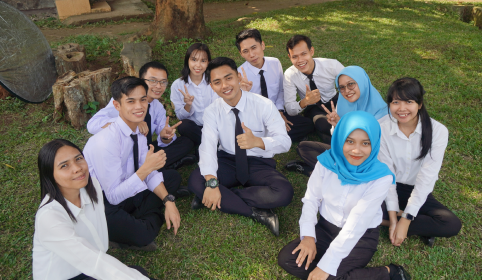
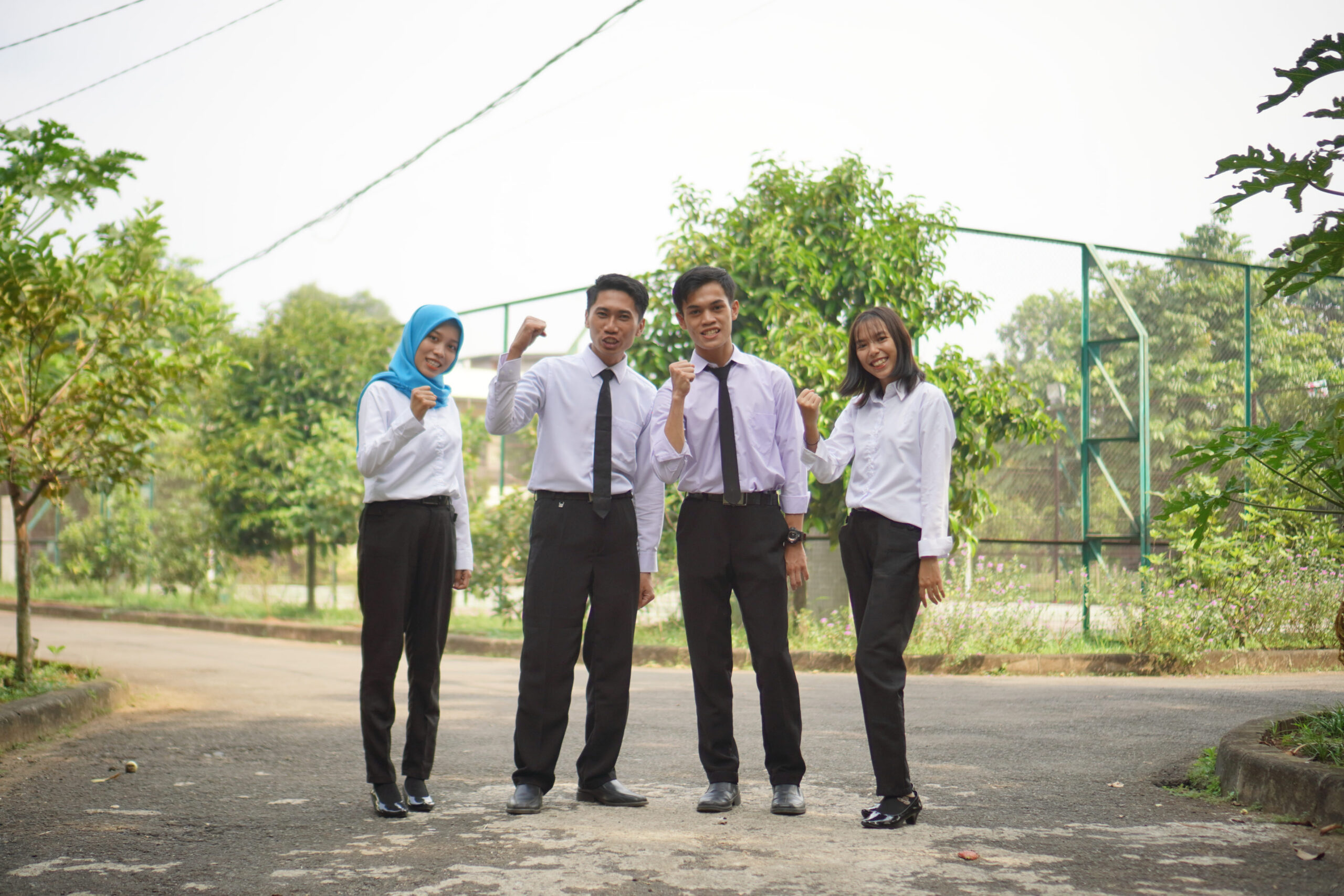
We want to work hard as a team. We value harmony and have a national character that is tolerant of other cultures.
With more than 400 ethnic groups speaking over 600 languages and five religions coexisting, Indonesia has grown into a major power within ASEAN under the slogan “Unity in Diversity.” The Indonesian people are tolerant of different cultures and religions, and, guided by a spirit of mutual aid, they value harmony and helping one another.
The Least Angry People in the World!? A Cheerful, Open-Hearted, and Passionate National Character—Indonesians’ Smiles Brighten the Workplace
Having grown up in a climate that is warm year-round, Indonesians tend to have cheerful and gentle personalities. They are always smiling and are kind-hearted, quick to lend a helping hand to those in need. They are friendly enough to smile warmly even at strangers. In fact, companies that have hired Indonesians have told us that their workplaces have become brighter as a result.
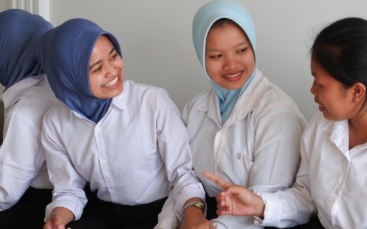
Cherish your family and respect others’ wishes
Indonesians, about 90% of whom are Muslim, place great importance on social interactions and hierarchical relationships, and show deep respect for their elders. Like the Japanese, they have a national character that involves observing their surroundings while respecting others’ wishes, and we have received feedback that this makes them easy to train in the workplace.
Communication is a breeze! Japanese is easy to understand
Indonesian has vowel pronunciations similar to those in Japanese. Japanese pronunciation is also very easy to understand and flows smoothly. Many young people are interested in Japanese culture and subculture, and Indonesia ranks second in the world in the number of Japanese language learners.
2. Recruitment Network
Nationwide Recruitment Network Across Indonesia
At BREXA Indonesia, we implement a community-based recruitment strategy to ensure a steady supply of high-quality talent, with our staff conducting recruitment activities directly.
Leveraging our network of 211 partner schools across Indonesia, we continuously recruit candidates who are highly motivated to work in Japan.
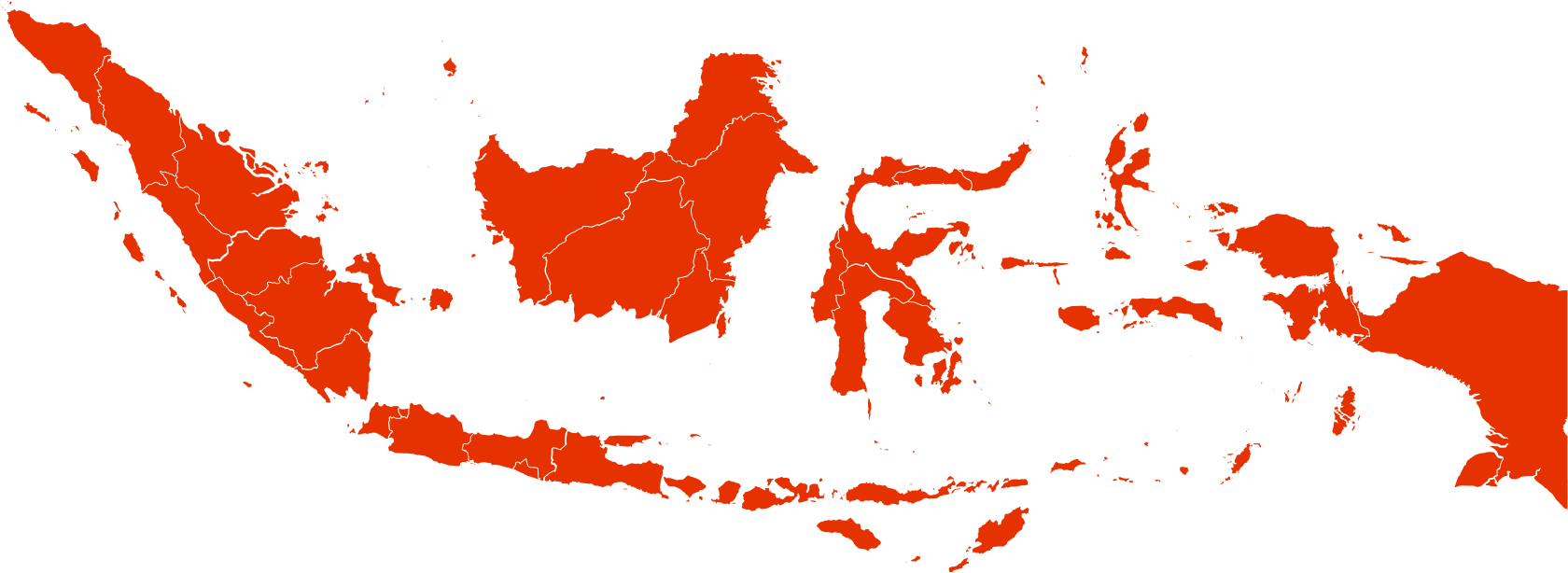
Sumatra
Partner
14 Schools
Jakarta Special Capital Region
Partner
30 Schools
West Java
Partner
50 Schools
Central Java
Partner
14 Schools
East Java
Partner
92 Schools
Bali / Nusa Tenggara
Partner
3 Schools
Sulawesi
Partner
8 Schools
Sumatra
Partner
14 Schools
Jakarta Special Capital Region
Partner
30 Schools
West Java
Partner
50 Schools
Central Java
Partner
14 Schools
East Java
Partner
92 Schools
Bali / Nusa Tenggara
Partner
3 Schools
Sulawesi
Partner
8 Schools
Activities
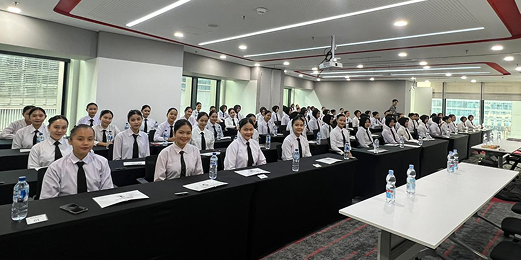
Recruitment
Strengths of BREXA ACADEMY Recruitment
Collaboration with Educational Institutions Across Indonesia
We collaborate with educational institutions throughout Indonesia and primarily recruit from senior high schools.
Fresh graduates from high schools and vocational school
Second-jobber / second-career candidates
Fisheries science for the fisheries industry
Nursing departments for caregiving roles
Automotive engineering and mechanical engineering departments for manufacturing and technical roles
Recruitment System Through Open Applications and Seminars
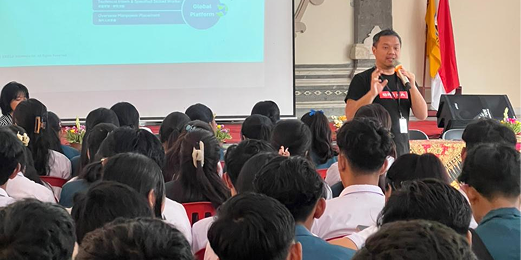
In addition to partnerships with educational institutions, we also conduct open recruitment. We hold weekly seminars aimed at introducing the appeal of working in Japan and explaining the related systems and opportunities. In Indonesia, where information gaps still exist between urban and rural areas, we are committed to creating an environment where people from all regions can access opportunities to work in Japan.
Through these initiatives, we have built a pre-development recruitment scheme, and approximately 300–400 applicants enroll in our program every month to receive Japanese language education.
3. Japanese Language Education
At BREXA Indonesia, we provide Japanese language education for candidates aiming to work in Japan, with the goal of achieving JFT-Basic A2 (equivalent to JLPT N4 level). Our program focuses on acquiring practical Japanese skills necessary for working in Japan by learning expressions commonly used in daily life and workplace situations.
Features of BREXA Academy Education
We collaborate with educational institutions throughout Indonesia and primarily recruit from senior high schools.
Communication-Focused Japanese Language Training
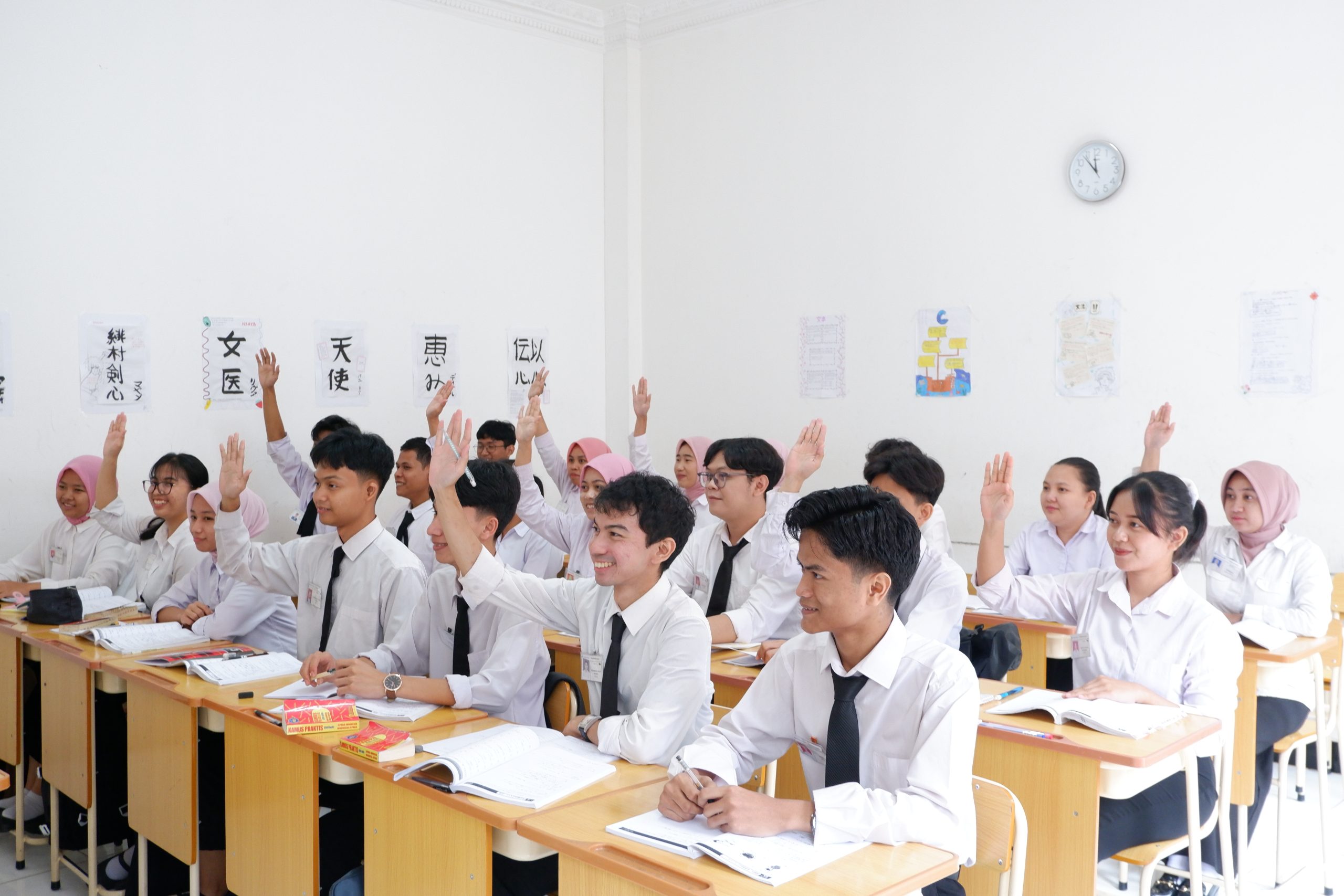
Our Japanese language education is conducted by 10 native Japanese instructors, with a strong emphasis on improving communication skills. Through 7 hours of in-person classes per day, students aim to achieve JFT-Basic A2 (N4 equivalent), while also learning how to apply grammar and vocabulary in real-life situations in Japan, including both daily life and workplace contexts.
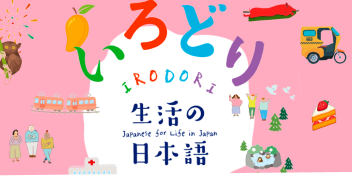
Irodori – Japanese for Life in Japan
Cross-Cultural Understanding & Workplace Etiquette Training
To ensure long-term adaptation and success in Japanese workplaces, understanding Japanese culture & customs is essential. We proactively provide education that helps prevent misunderstandings and issues caused by cultural differences by incorporating real cases that occurred after arrival in Japan, as well as feedback from Japanese companies.
Original Cross-Cultural Training Materials (BREXA Original Curriculum)
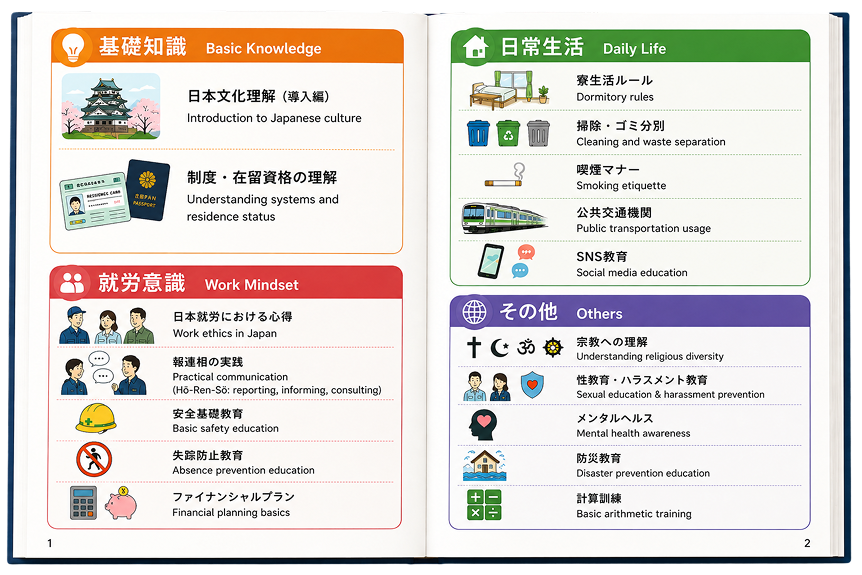
By deepening understanding of Japanese society before arrival, we develop human resources who can work confidently and sustainably in Japanese companies.
4. Safe Training Centers Across Indonesia
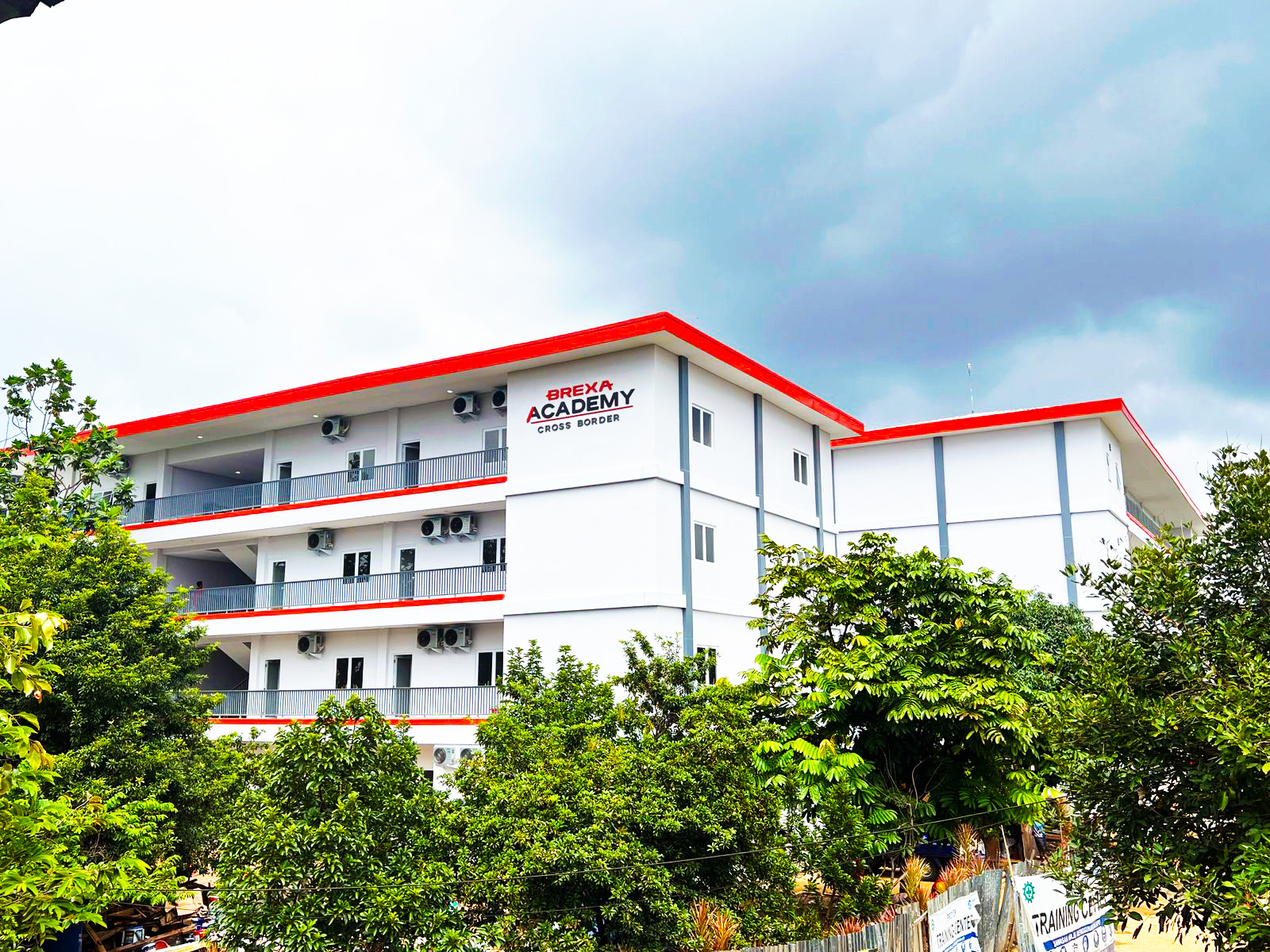
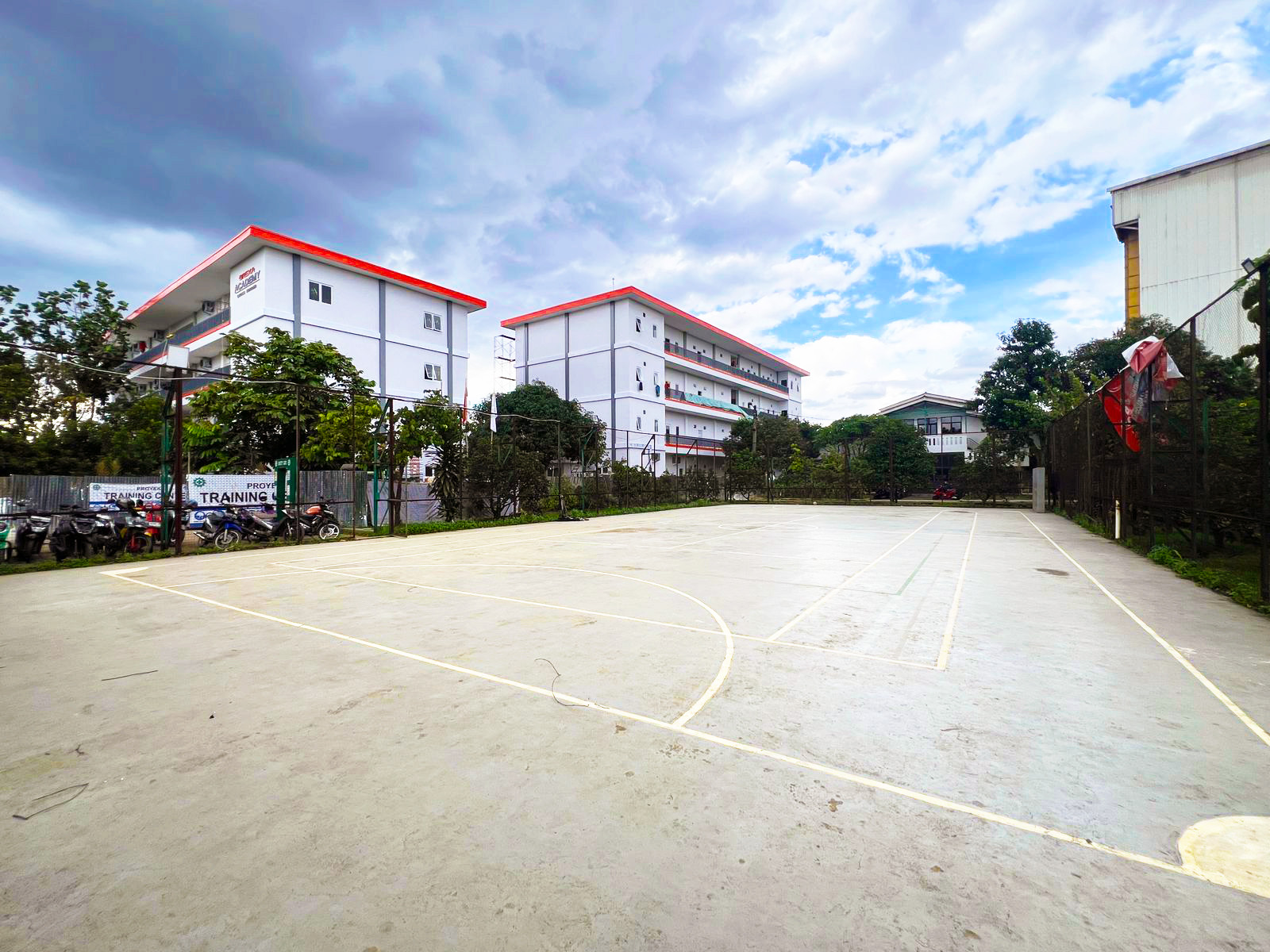
At BREXA Indonesia, we operate a boarding-based training system across 10 training centers nationwide in Indonesia. Under this system, learning, daily life, and discipline are fully integrated, enabling trainees to naturally acquire the lifestyle habits required for working in Japan.
To support stable living conditions, we also provide lunch meals and rice supply, ensuring that trainees can focus on their studies without concerns about food or daily living needs.
Main Training Center (near Jakarta)
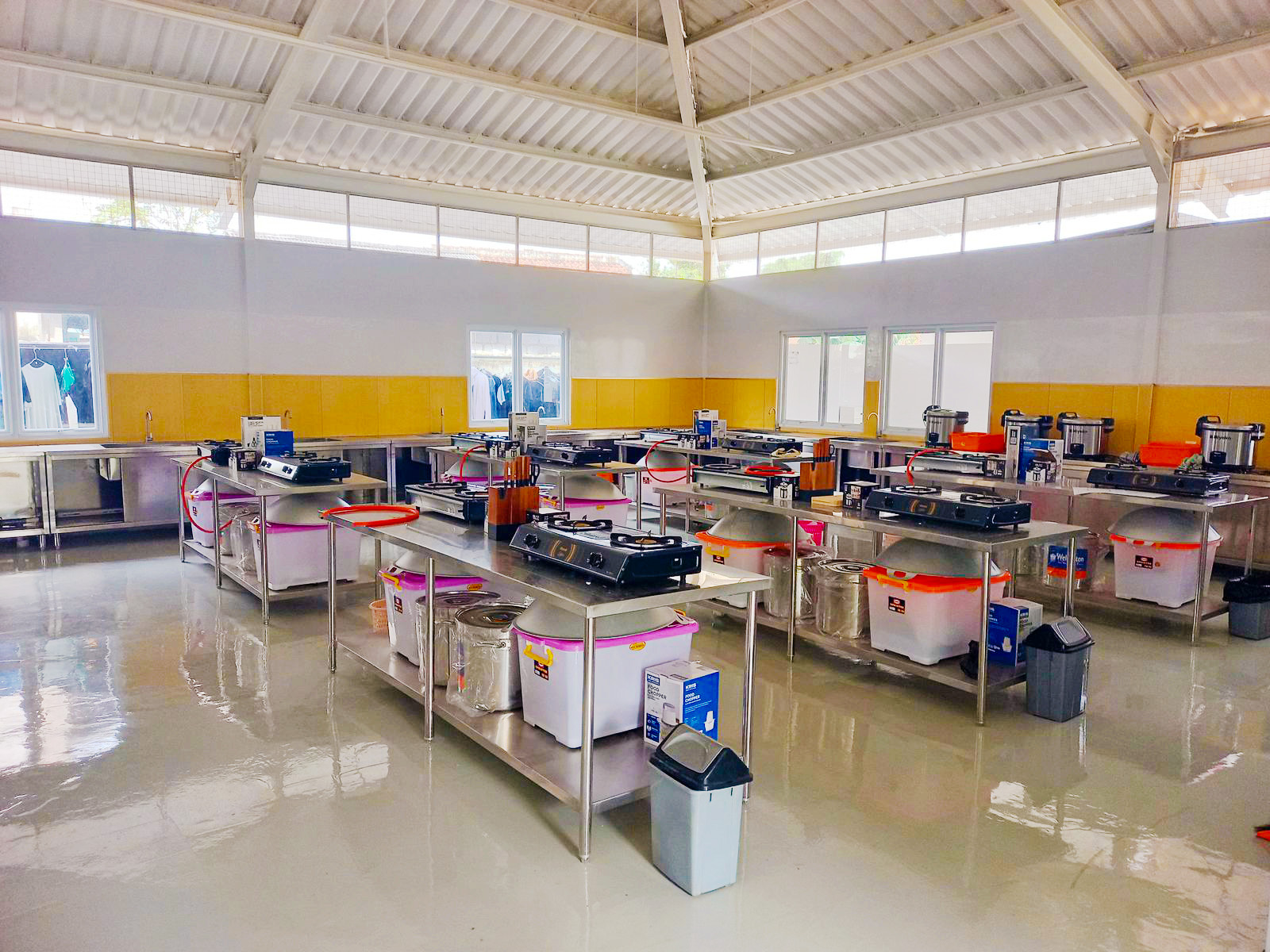
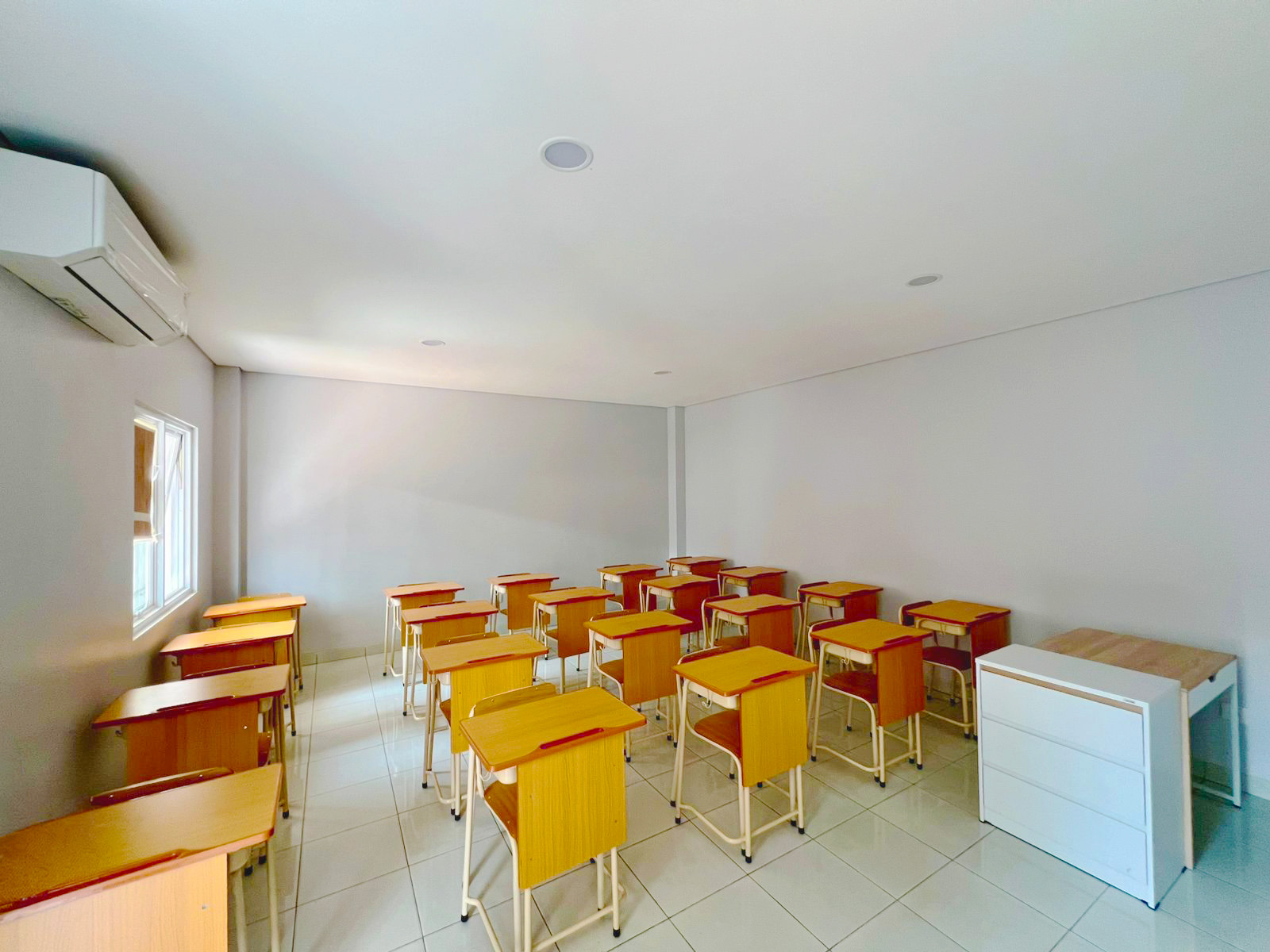
Bogor (under expansion)
Approximately 1,000 students
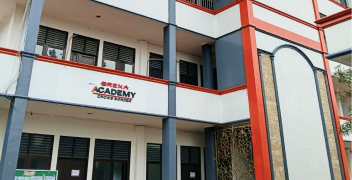
East Jakarta
Approximately 250 people
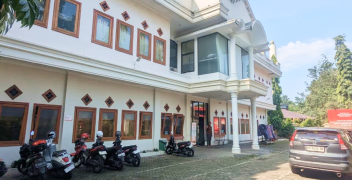
Bandung
Approximately 230 people
Regional Training Center
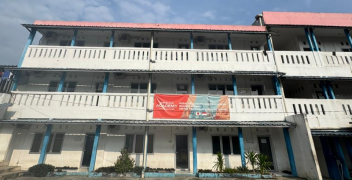
Depok
Approx. 260 students
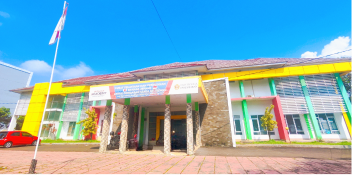
Garut
Approx. 200 students
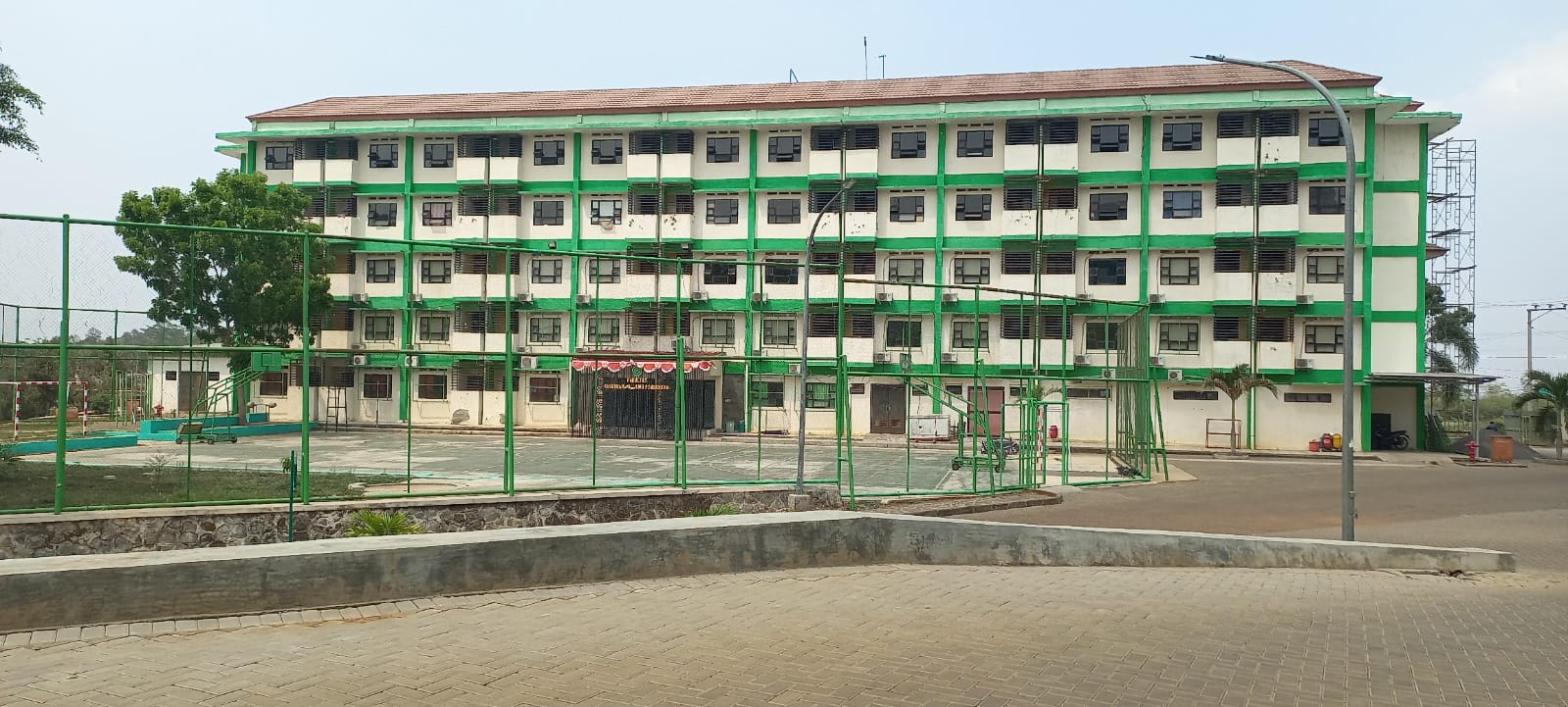
Semarang
Approx. 180 students
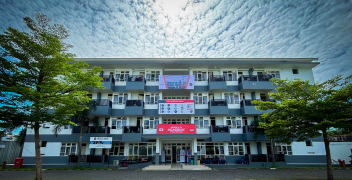
Malang
Approx. 200 students
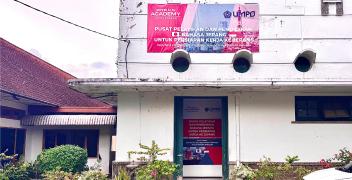
Ponorogo
Approximately 230 students
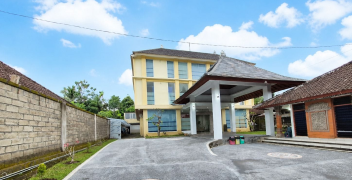
Bali
Approximately 150 students
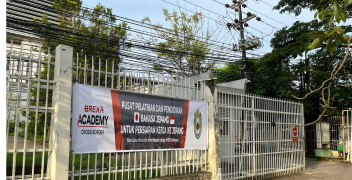
Makassar
Approx. 200 students
From Entry to Departure
Candidates who participate in interviews are first required to pass an initial screening before enrollment.
Only those who successfully pass this selection process are admitted into our training centers, where they begin their Japanese language and pre-departure education program.
Initial Screening
We will conduct the initial screening process.Enrollment in Brexa Academy
After enrollment, candidates begin Japanese language education and lifestyle guidance through a full dormitory program to prepare for interviews and working in Japan.InterviewJFT-Basic Levels A1–A2 (JLPT N5–N4)
Candidates with Japanese language proficiency equivalent to JFT-Basic A1–A2 will participate in the interview.Japanese Language Education after Job Offer
After receiving a job offer, candidates continue practical Japanese language training and cross-cultural education tailored for working in Japan.Pre-Departure Brush-Up Training
Before departure, candidates receive final practical training related to Japanese language, daily life, and workplace expectations in Japan.DepartureJFT-Basic A2 (JLPT N4) Level
After completing all necessary procedures, candidates depart for Japan. 5. Brexa Indonesia commitment
Eliminating Regional Information Gaps
We are expanding our recruitment network into rural areas across Indonesia, creating an environment where people from all regions can access opportunities to work in Japan. By reducing regional disparities in information access, we aim to build a society where more individuals can confidently pursue overseas employment opportunities.
Removing Financial Barriers to Opportunity
We minimize the initial financial burden required to join our program. Candidates can enter the program with only a down payment of IDR 20,000 (approx. entry fee). The remaining education costs are covered through a post-payment system after arrival in Japan, allowing individuals to pursue their goals without being prevented by financial limitations.
Expanding Career Opportunities Beyond Academic Background
In addition to Japanese language education, we are strengthening our training system for technical knowledge and practical skills. We are committed to creating an environment where individuals can pursue new career opportunities in Japan regardless of their academic background or previous experience.
6. Industry-Specific Special Curriculum
We provide structured human resource development aligned with Japan’s Technical Intern Training Program (TITP / Future Development Employment System) and the Specified Skilled Worker (SSW) system, enabling placement across diverse industrial sectors in Japan.
Through industry-specific training, we develop job-ready talent capable of performing effectively in Japanese companies from day one.
 Construction
  Nursing Care
  Transportation / Logistics
  Fisheries & Aquaculture
  Food Service & Hospitality
  Food & Beverage Manufacturing
  Building Cleaning
 Manufacturing
  Automobile Maintenance
  Internship Programs
 We also customize training based on client company requirements and job specifications.
Japanese language level (N4–N3)
Industry-specific Japanese language training
Technical terminology education
Practical skills training
ConstructionPractical training by providing materials from various industry associations and companies and dispatching instructors
Rebar Work (Reinforcement Steel Assembly)
- Steel processing and binding
- Rebar placement based on technical drawings
- Understanding construction procedures
- On-site safety confirmation

Rebar Work (Reinforcement Steel Assembly)
Formwork Construction
- Formwork assembly and fixing
- Proper use of tools
- Accuracy control in construction
- Team-based construction work
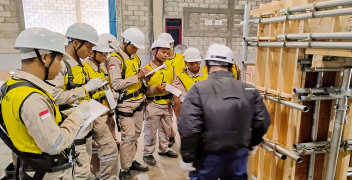
Formwork Construction
Electrical Installation (Wiring / Infrastructure)
- Basic wiring installation
- Safety procedures
- Understanding work flow

Electrical Installation (Wiring / Infrastructure)
Physical Training
- As construction work requires physical strength, dedicated physical training sessions are included in the curriculum.
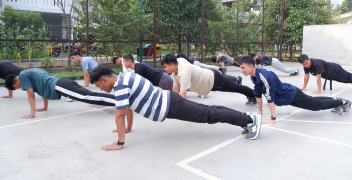
Physical Training
Caregiver Training Program Under the guidance of specialized nursing instructors with experience working in Japan, we develop caregivers who can provide patient-centered care based on Japanese standards. We also conduct approximately one year of Japanese language education, targeting JLPT N3 level proficiency. Our current N3 achievement rate is 75%, demonstrating strong training performance.
Professional Instruction Team
- Japanese certified care worker
- 3 former EPA caregivers
- 3 former technical intern trainees with caregiving experience in Japan
Intensive Training Curriculum
The program includes 150 hours per month:
- Classroom learning: 60 hours (Fundamentals of care, ethics, Japanese care system)
- Practical training: 90 hours (Hands-on caregiving techniques)
Practical Training Modules
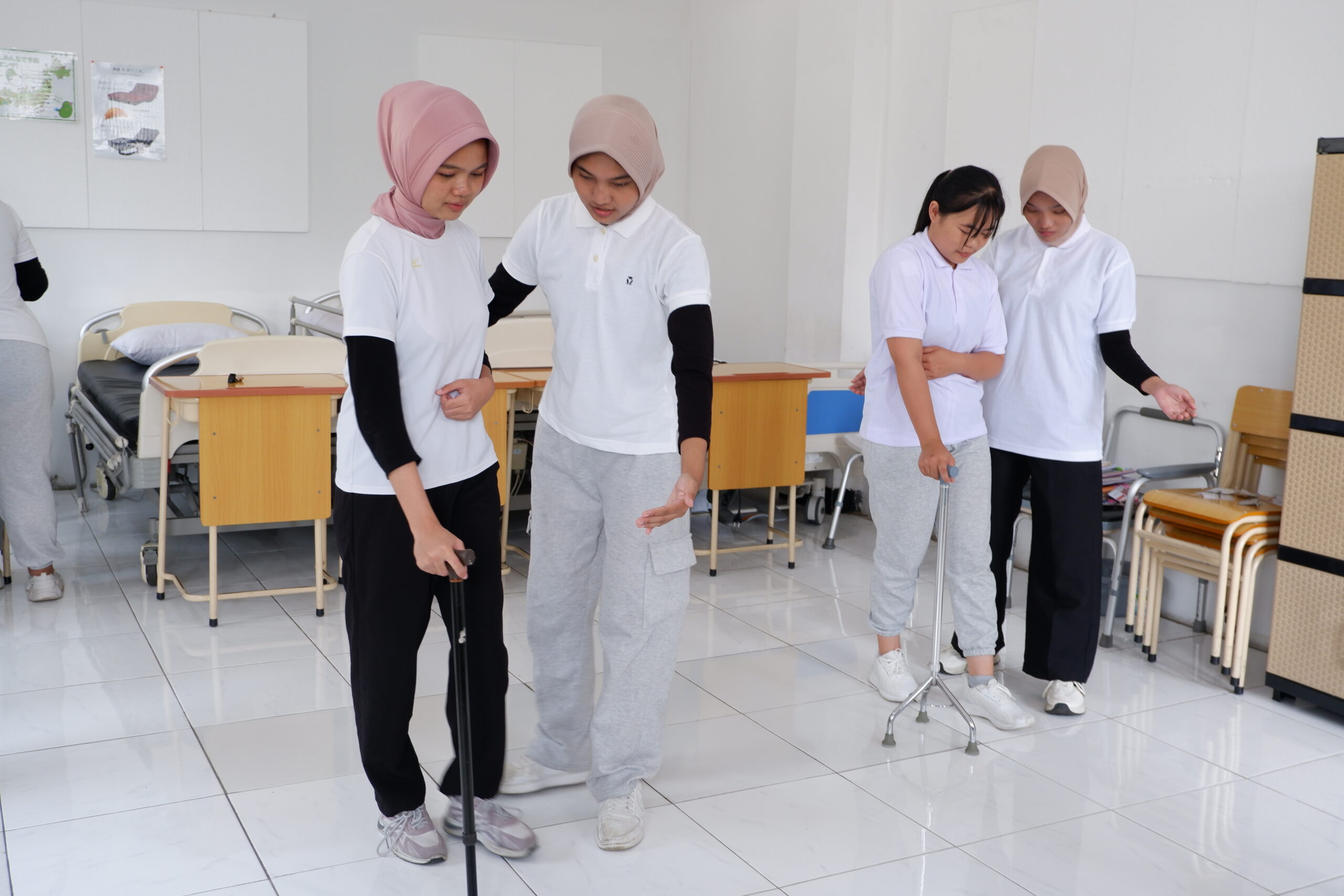
Walking assistanceSupporting safe and stable walking for care recipients
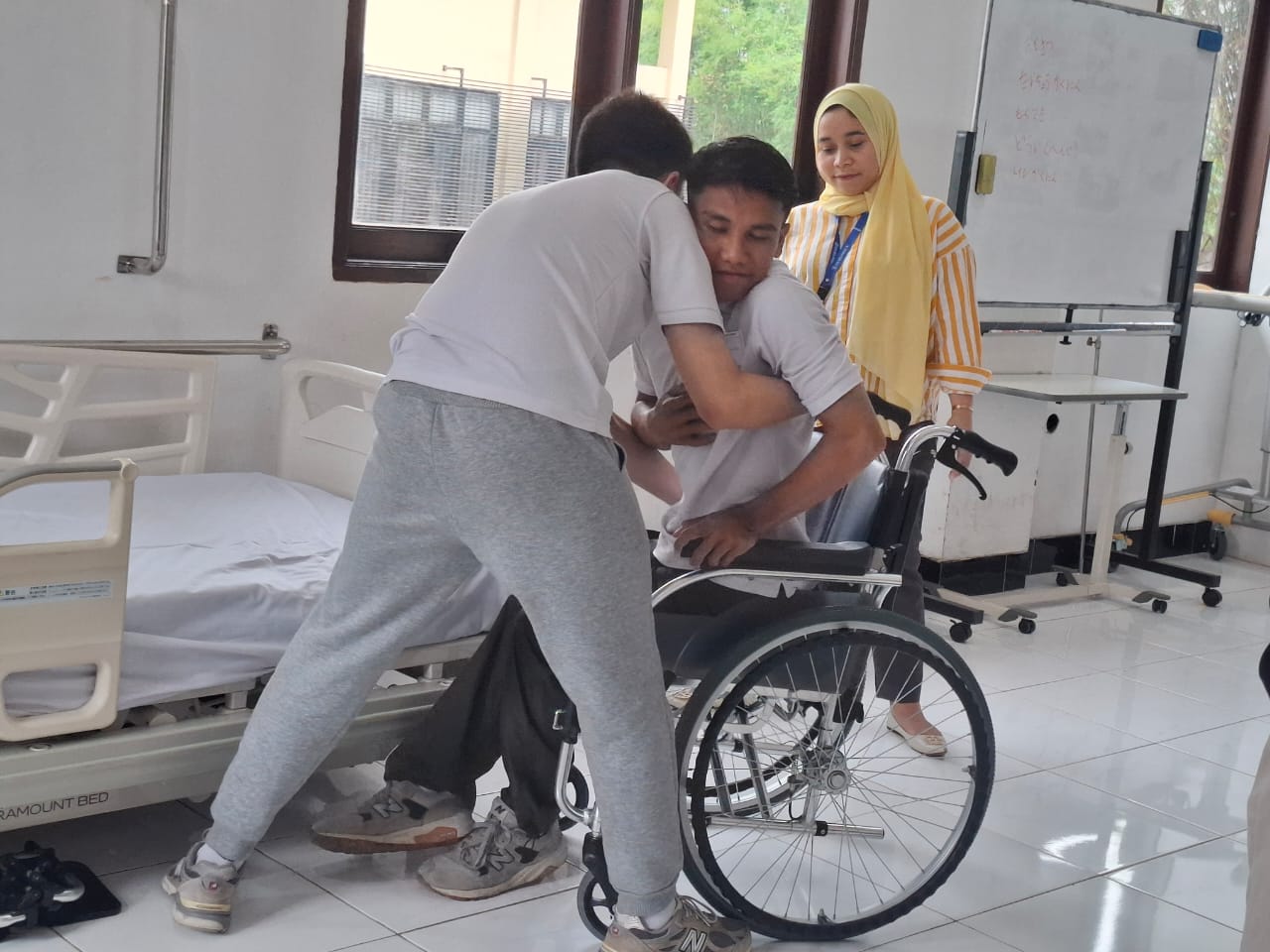
Transfer assistanceSafe movement between bed and wheelchair
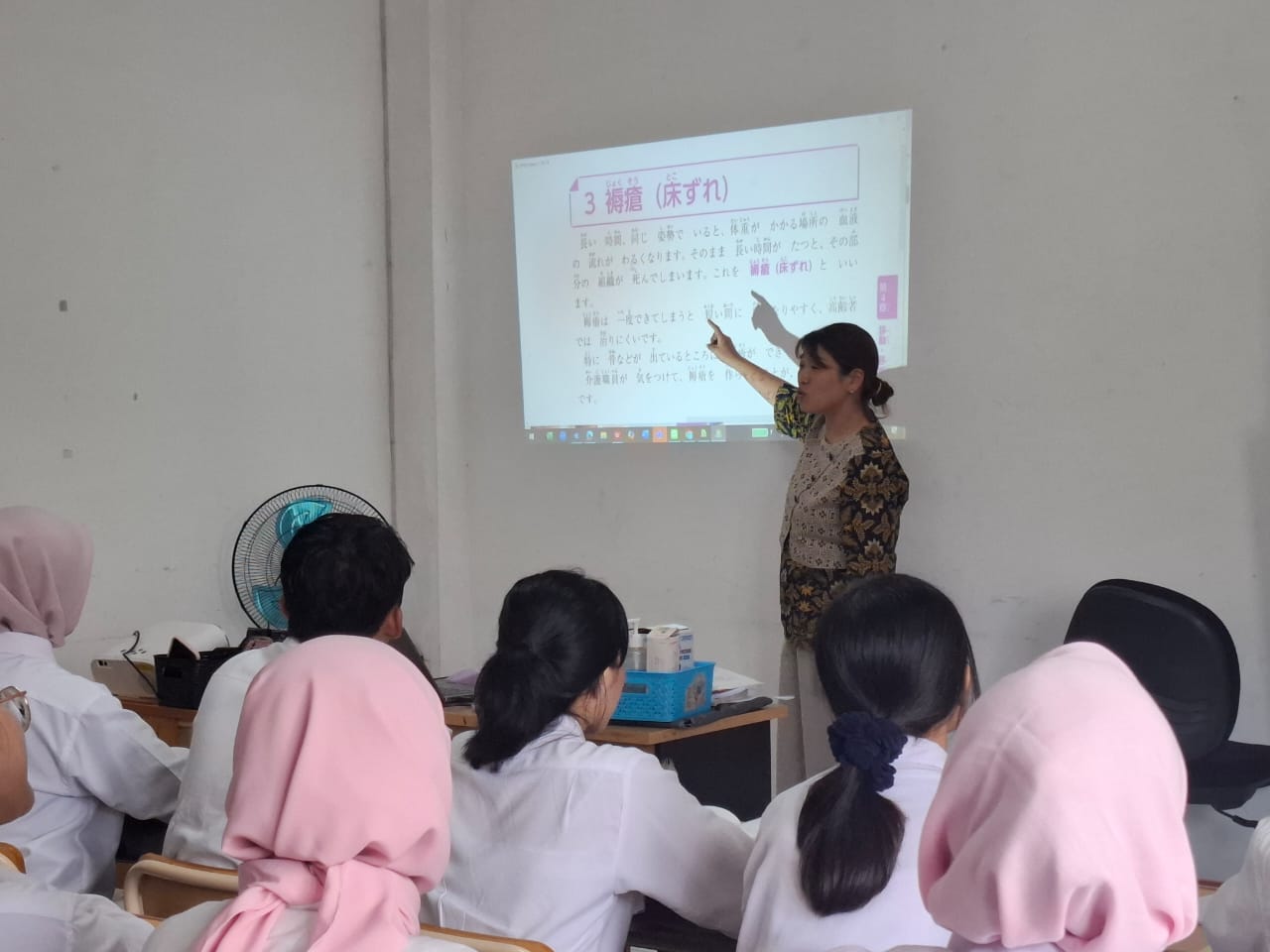
Classroom LecturesUnderstanding fundamentals of caregiving & Japan’s care philosophy
As part of career development education, students are encouraged to aim for becoming certified Care Workers (Kaigo Fukushishi), enabling long-term career success in Japan.
Automotive & Transportation Training Program Conduct due tests at interviews and skills training after job offers at partner bus companies and transportation companies.
Written Test Preparation for Driver’s License Conversion (Gaimen Kirikae)
A 1.5-month intensive classroom program is conducted based on official materials to prepare candidates for Japan’s foreign license conversion exam.
Students gain a strong understanding of:
- Japanese traffic rules
- Road signs (in Indonesian language support)
- Driving ethics and manners
Practical Training Options (Customized)
License Conversion Preparation Course
PartnerTrans Jakarta Academy
We provide practical instruction tailored to Japanese exam standards.
- Japanese traffic regulations
- Practical driving test preparation
- Driving operation training
- Exam-focused coaching
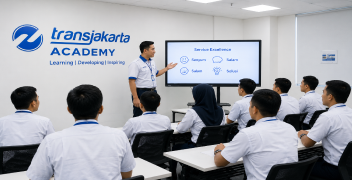
License Conversion Preparation Course
Truck & Forklift Training
PartnerPT Armas Logistics Service
Curriculum
- Forklift operation
- Basic truck driving skills
- Logistics operations understanding
- Safety driving education
We will conduct skills training designed to simulate real-world logistics environments.
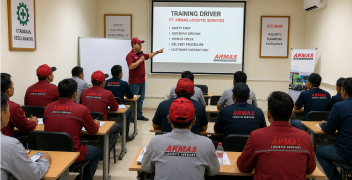
Truck & Forklift Training
Bus Driving Training
PartnerTrans Jakarta Academy
Curriculum
- Bus service mindset training
- Safety education
- Vehicle handling & manners
- On-road practical training (government training circuit used)
In fact, we conduct the training using the state-owned bus company’s training circuit.
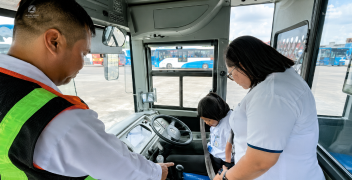
Bus Driving Training
Food Processing & Food Service TrainingIn Indonesia, there are many schools specializing in accommodation, dining out, and hospitality, offering a wide range of options from technical intern training accommodation to accepting internships.
- Knife handling training using Japanese-standard kitchen knives (Unlike Indonesia’s typical fruit knives, Japanese professional cutting methods are taught)
- Food hygiene and safety education, including glove usage and handling of pork products. We also provide candidates trained to adapt to company-specific operational requirements, including safe food handling with gloves and hygiene compliance.
7. Internship Program
Utilization of Internship System
BREXA ACADEMY also offers structured internship pathways.
Mechanical Engineering students → Manufacturing internships
Hospitality students → Hotel & Food Service internships
4 months of Japanese language training (N4 level)
After graduation: transition to SSW visa or Highly Skilled Worker pathway
Partner Universities
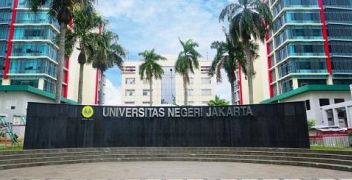
Universitas Negeri Jakarta (Jakarta State University)
Engineering Faculty – 303 students
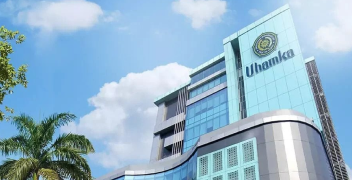
Universitas Muhammadiyah Prof. Dr. Hamka (UHAMKA University)
Mechanical Engineering – 351 students
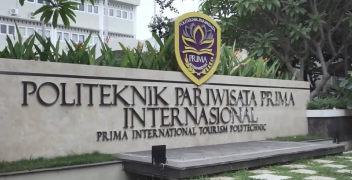
Poltekpar Prima Internasional Cirebon
Hospitality Management – 261 students
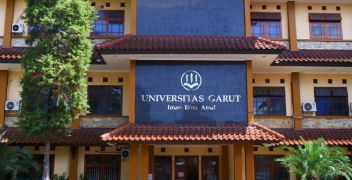
Universitas Garut
Hotel Management – 123 students
For Companies Considering Indonesian Talent
We welcome consultations at any time regarding job categories and training content. Based on your company’s operations and workplace environment, we also propose tailored solutions for building a sustainable acceptance system that enables Indonesian talent to settle long-term and perform successfully. In response to Japan’s growing labor shortages, why not consider utilizing Indonesian talent as a strategic solution? Please feel free to contact us online for an initial consultation.
On-Site Support in Japan
Our dedicated team of 12 staff members based in Tokyo and Osaka is available for direct consultation and on-site visits. We provide close and reliable support both in Japan and Indonesia to ensure smooth communication and successful talent integration.
FAQ
What types of positions has BREXA successfully placed candidates in?
In 2025, BREXA successfully placed a total of 3,400 candidates. The largest placements were in manufacturing (1,060), food manufacturing (505), construction (470), and caregiving (420). We also support a wide range of other industries, including fisheries, agriculture, automotive maintenance, transportation, and industrial packaging.
When accepting Indonesian workers, is it necessary to accommodate hijab use and prayer practices?
When sharing your recruitment requirements, we will confirm in advance whether hijab is permitted and any conditions regarding prayer, allowing us to introduce candidates who match your company’s needs. Currently, around 80% of our Muslim candidates wear hijab, so accommodating this allows access to a broader talent pool. For prayer, no special facilities are required. Candidates usually use an empty room or changing room and adjust their prayer time during lunch breaks.
What kind of support does BREXA provide after the candidates arrive in Japan?
BREXA has 12 on-site staff members in Tokyo and Osaka who work closely with support organizations to resolve any issues. We also maintain chat groups for constant communication, enabling our Indonesian lifestyle advisors to provide consultation and support whenever needed.
What is the difference between the Technical Intern Training Program and the Employment Development Program?
The Technical Intern Training Program was originally designed to promote international contribution through skill transfer. In contrast, the Employment Development Program is a new system created to develop foreign talent and address workforce shortages. Under this system, foreign workers can build practical skills and Japanese language proficiency while working in Japan, with the goal of transitioning to the Specified Skilled Worker program. BREXA provides consultation based on each company’s hiring objectives and needs.
How long does it take from job offer acceptance until departure?
As a general guideline, the process takes approximately six months after the job offer is accepted. During this period, pre-departure training and document preparation are completed. If you have specific timing requirements for arrival, please feel free to consult with us.
Can interviews be conducted online or in person?
Yes, BREXA supports both online and in-person interviews. Hybrid interview formats have also become increasingly common, and we can adjust according to your company’s preferences.

Other Services
Loading services...